
Blog
Date Seed Jewelry models (2026 trend)
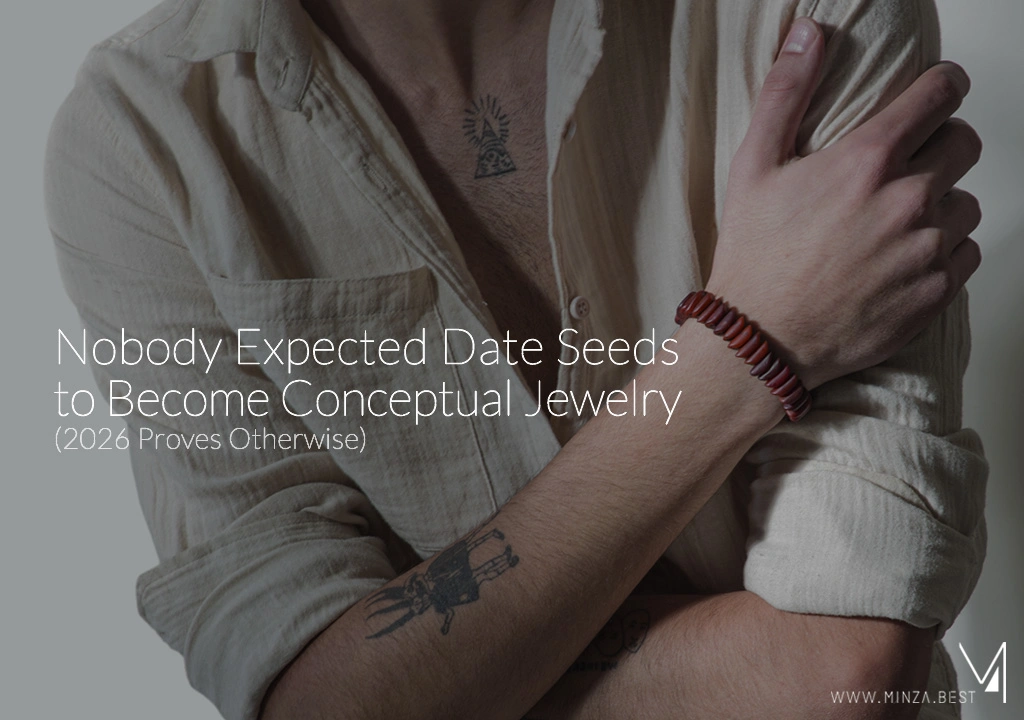
Nobody expected date seeds to become part of contemporary jewelry design. For decades, they were overlooked, discarded, or ignored entirely. But in 2026, a quiet shift is happening. Designers are beginning to look at value differently, not through rarity or shine, but through material, intention, and story. What once seemed insignificant is now being reimagined as conceptual jewelry.

Rethinking Materials in Modern Jewelry

Across fashion and design, there is a growing curiosity toward materials that were never meant to be decorative.

Date seeds are one of those materials. Long treated as organic waste, they are now attracting designers interested in texture, imperfection, and natural form. Instead of hiding irregularities, these designs highlight them.

Each piece retains traces of its origin — subtle curves, uneven surfaces, and earthy tones that cannot be replicated by industrial processes. The result feels less manufactured and more observed.

Why Date Seeds Suddenly Feel Relevant

Modern audiences are increasingly drawn to objects that feel honest rather than impressive.
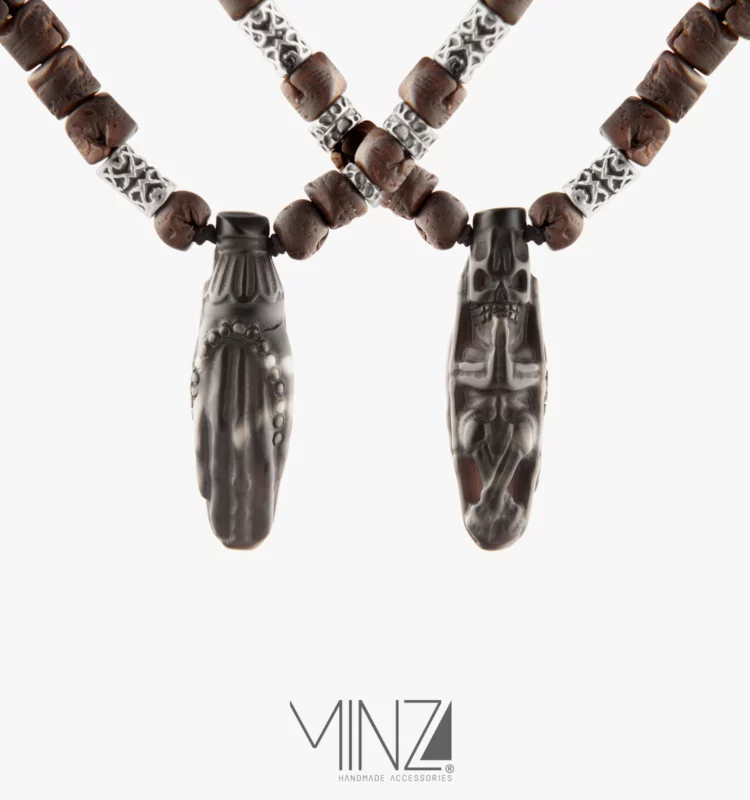
Date seed jewelry reflects this shift. It doesn’t rely on shine or excess. Its appeal comes from contrast — something familiar, transformed through restraint.
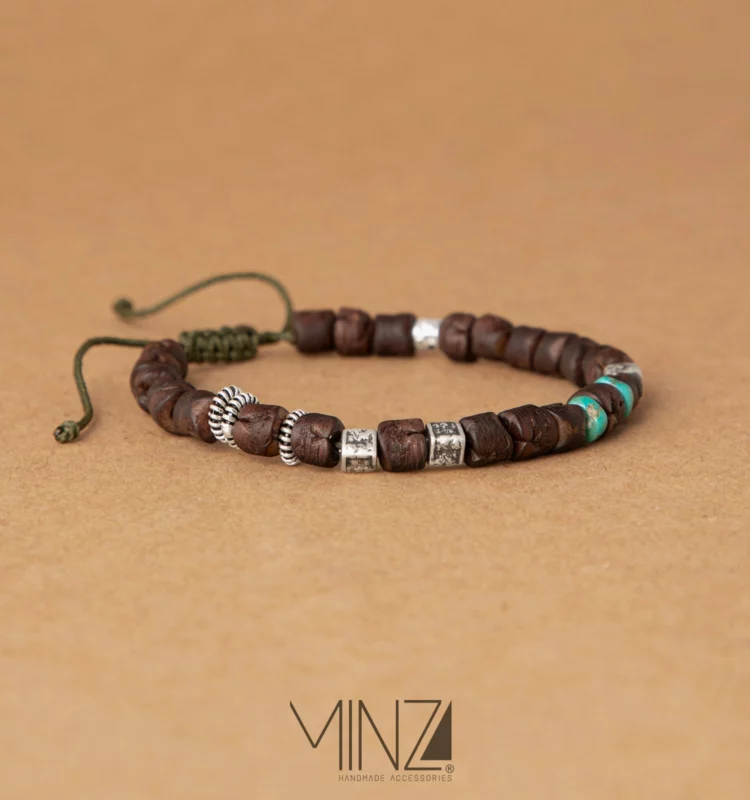
No two seeds are identical. Each one is cleaned, shaped, and polished individually, preserving natural differences rather than forcing uniformity.
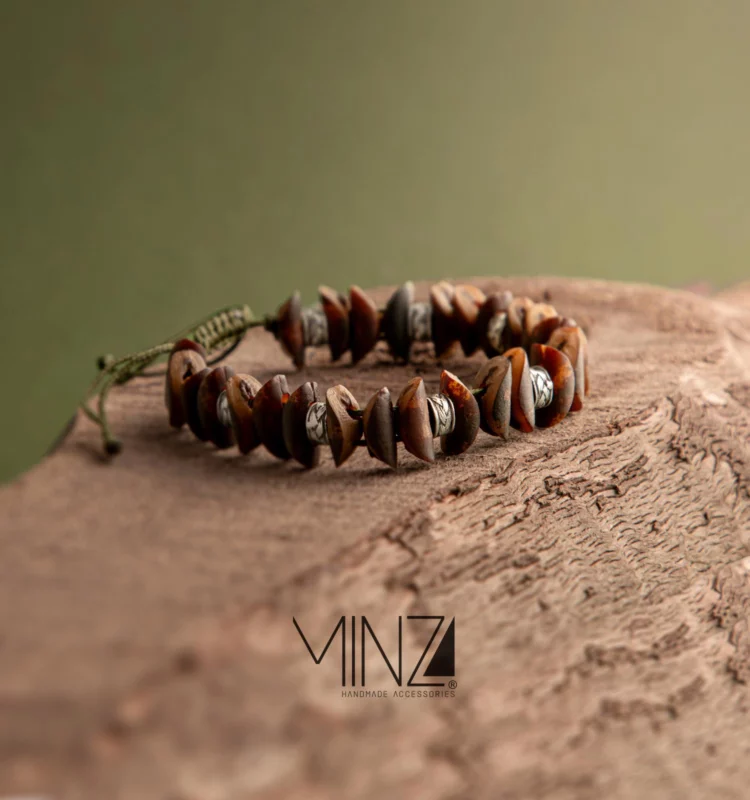
This uniqueness creates a quiet sense of individuality, especially in a market dominated by repetition and mass production. Rather than announcing itself, this type of jewelry invites closer attention — often becoming a conversation rather than a statement.

Minimalism as a Design Philosophy
Minimalism in jewelry has moved beyond simplicity. It has become a way of filtering out anything unnecessary. Date seed jewelry fits naturally into this philosophy. Soft textures and muted colors allow it to blend seamlessly into everyday appearance.
Designed to be worn rather than displayed, these pieces become part of daily routines instead of visual focal points.
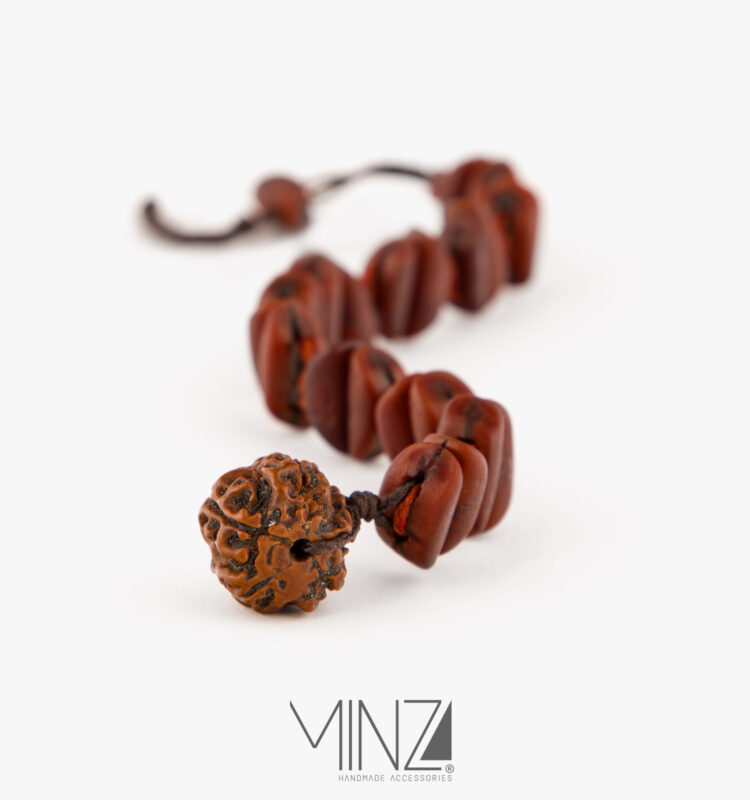
The slow, handmade process behind each piece adds another layer of meaning. Every mark reflects time, attention, and human involvement, qualities often absent from fast-produced accessories.
A Quiet Global Movement
Interest in date seed jewelry is not limited to a single region. From independent studios in the Middle East to small workshops in Europe, designers are experimenting with organic byproducts as a form of creative expression.

This growing attention suggests a shared curiosity: what happens when design starts with material honesty instead of trend forecasting? As this mindset spreads, unexpected materials like date seeds are gaining recognition for their quiet character and conceptual depth.
Jewelry With a Story, Not a Formula

Every date seed begins as a natural object shaped by time and environment. By preserving natural form instead of forcing symmetry, designers allow each piece to carry its own narrative. The result is jewelry that feels personal without trying to stand out, expressive without being loud.
Why 2026 Is a Turning Point
The convergence of sustainability, minimalism, and material awareness is making date seed jewelry increasingly visible this year.
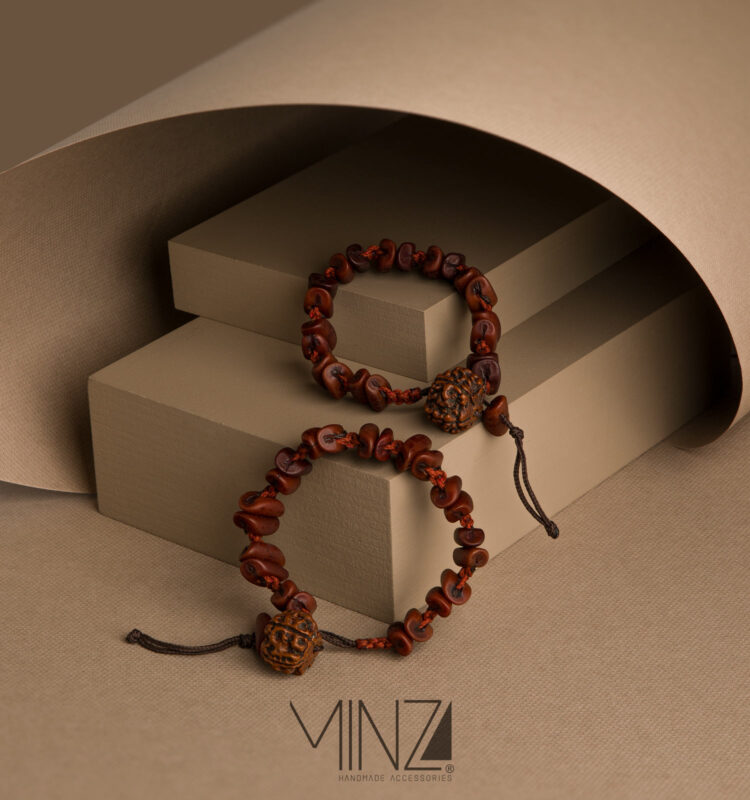
As designers continue to explore overlooked resources, everyday objects are being reintroduced as sources of inspiration.
For many consumers, accessories are no longer about status, but about alignment with values and identity. Date seed jewelry reflects this shift, subtle, intentional, and quietly distinctive.
Closing Reflection
In a landscape dominated by repetition and speed, jewelry made from date seeds offers a pause. It reminds us that design doesn’t always begin with rarity or expense, but sometimes with attention, and a willingness to see value where others didn’t.

 For Her
 For Him
 (USD) $
 Euro (€)
 United Arab Emirates ()
 Pound Sterling (£)
 Saudi rial (SAR)
 Oman rial (OMR)